
Specialty Pest Control in New Braunfels, TX
Some pest problems require a more targeted approach than standard general pest control. Bee's Pest Management offers specialty treatments for difficult or uncommon pests, with solutions based on the specific conditions we find at your property.
Accurate Identification
Specialty pest problems start with knowing exactly what we’re dealing with. We identify the pest, evaluate the extent of the activity, and look for conditions that may be contributing to the problem.
Targeted Treatment
These pests often require different materials, methods, or treatment strategies than routine general pest control. We build the treatment around the pest and the conditions we find.
Clear Guidance
We explain what we find, what we recommend, and what to expect from treatment so you can make an informed decision without being overwhelmed by unnecessary information.
Specialty Ant Control

Carpenter Ants
Tawny Crazy Ants
Carpenter Ants
Carpenter ants can establish nests in wood that has been damaged by moisture or other conditions. Because locating the colony and understanding what is supporting the activity are important to effective control, these infestations require a targeted treatment plan.
Pharaoh Ants
Tawny Crazy Ants
Carpenter Ants
Pharaoh ants are tiny indoor ants that can form multiple colonies throughout a structure. Improper treatment can cause colonies to spread, so identification and a carefully selected treatment approach are especially important.
Tawny Crazy Ants
Tawny Crazy Ants
Tawny Crazy Ants
Tawny crazy ants can develop extremely large populations and extensive trails around homes and landscapes. Their behavior and colony structure often require a treatment strategy beyond routine general pest control.

Some uncommon or difficult ant species may also require targeted treatment and separate pricing. If you’re unsure what kind of ant you have, contact us and we’ll identify the problem and explain the appropriate next step.
German Cockroach Control
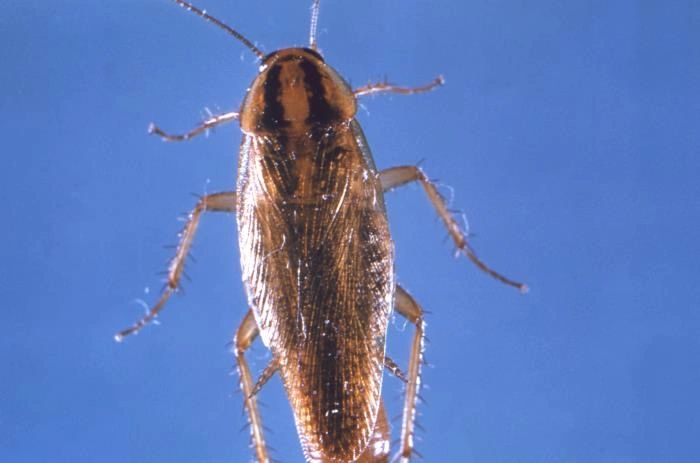
German cockroaches are an indoor pest that can reproduce quickly and become established around kitchens, bathrooms, appliances, and other warm areas with access to food and moisture. Because effective control depends on identifying where the activity is concentrated and what conditions are supporting it, German cockroach problems require a more targeted treatment plan than standard general pest service.
If you’re seeing small roaches indoors or suspect an infestation, contact us for an inspection. We’ll identify the activity, explain what we’re seeing, and walk you through the treatment and preparation needed for your home.

Mosquito Control
Mosquito activity around a home can be influenced by standing water, dense vegetation, shaded resting areas, and conditions on neighboring properties. Because every property is different, mosquito control works best when the treatment plan is based on where mosquitoes are breeding and resting around the home.
If mosquitoes are making it difficult to enjoy your yard, contact us for an evaluation. We’ll look at the conditions around the property, explain what can be addressed, and recommend a treatment approach based on what we find.
Fly Control
Fly problems can come from a variety of sources, including organic buildup, drains, moisture, animal waste, food debris, and other breeding areas around a home or business. Because different fly species develop in different conditions, effective control starts with identifying the fly and locating the source of the activity.
If flies are becoming a recurring problem, contact us for an evaluation. We’ll identify what is driving the activity and explain the treatment and sanitation steps that make the most sense for your property.
Bed Bug Control
Bed bugs can be difficult to control because they hide in small cracks, furniture, bedding, and other areas close to where people rest. Successful treatment starts with confirming the activity, determining how widespread it is, and developing a plan based on the conditions in the home.
If you suspect bed bugs, contact us for an evaluation. We’ll inspect the affected areas, explain what we find, and walk you through the treatment and preparation needed before service.

Flea Control
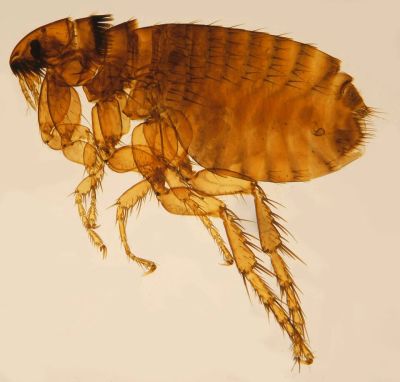
Flea problems can develop quickly when pets, wildlife, or other animals introduce them into a home or yard. Because fleas develop through several life stages and can remain hidden in carpeting, furniture, pet bedding, cracks, and outdoor resting areas, effective control usually requires more than treating the adult fleas you can see.
If you’re dealing with fleas, contact us for an evaluation. We’ll look at the conditions contributing to the activity, explain the treatment plan, and provide any preparation or follow-up guidance needed for the best results.